



Whether I’m talking to students sitting in orientation, professionals eyeing a career change, or seasoned IT folks looking to specialize, this question comes up more than almost any other: should I learn cloud or cybersecurity first? After two decades of designing training programs and watching thousands of students navigate this exact decision, I’ve developed some thoughts that might surprise you.
The honest answer is that you’re probably asking the wrong question, not because it’s a bad question, but because cloud and cybersecurity aren’t really separate career paths anymore. They’ve become two sides of the same coin, and the real question is where you want to start and what role you’re actually aiming for. Let me break down what I’ve seen work for different people, because there’s no universal answer here.
Cloud and cybersecurity aren’t competing paths anymore. They’re converging. The professionals who thrive are those who understand both.
Preparing for the Security+ exam? Compare class dates and formats for our Security+ boot camp.
Why Has the Cloud vs Cybersecurity Question Changed?
Ten years ago, cloud computing and cybersecurity were separate disciplines. Cloud engineers worried about infrastructure, scalability, and cost optimization. Security professionals focused on firewalls, intrusion detection, and compliance. You could have a successful career in either field without knowing much about the other.
That world doesn’t exist anymore. When I talk to hiring managers at companies large and small, the story is remarkably consistent. They’re not looking for pure cloud engineers or pure security analysts. They want people who understand both. A cloud architect who can’t implement proper security controls is a liability. A security professional who doesn’t understand cloud architecture is fighting yesterday’s battles.
The numbers tell the story. According to recent industry surveys, over 90% of enterprises now use some form of cloud infrastructure. That means 90% of security work involves protecting cloud environments. Meanwhile, every major cloud platform now treats security as a core feature rather than an afterthought. AWS, Azure, and Google Cloud all have extensive security services built in, and knowing how to use them properly is part of cloud competency.
Here’s what I tell students who are completely new to IT: think of cloud as the environment and security as the requirement. Almost everything runs in cloud environments now, and everything needs to be secured. Starting with either one will eventually lead you to the other. The question isn’t which to learn, but which to learn first based on your interests and goals.
Should You Start With Cloud First?
Let me lay out the situations where starting with cloud makes the most sense, because for certain people it’s absolutely the right move.
If you’re brand new to IT with zero experience, cloud fundamentals give you a broad foundation. You learn how modern infrastructure actually works. Compute, storage, networking, databases, all the building blocks of modern technology. These concepts apply whether you end up in security, development, operations, or architecture. Cloud certifications like AWS Cloud Practitioner or Azure Fundamentals cover this ground efficiently and give you vocabulary and context that makes everything else easier to learn.
Cloud also has a lower barrier to entry for hands on practice. You can spin up a free tier account on any major cloud platform and start building things today. No expensive hardware, no complex lab setup. Just a browser and curiosity. This immediate access to real environments accelerates learning in ways that traditional IT study can’t match. Students who spend time actually building cloud infrastructure develop intuition that serves them throughout their careers.
Who Should Start with Cloud
People who are new to technology and want a broad foundation before specializing. Cloud fundamentals expose you to infrastructure, networking, databases, and basic security concepts all at once. It’s an efficient way to survey the field before committing to a specific direction.
Developers looking to expand their skills should also consider cloud first. If you’re already comfortable writing code, cloud knowledge lets you deploy and scale your applications. Security becomes important once you have something worth protecting. Learning to build first and secure second follows a logical progression that matches how you’ll actually work.
IT professionals migrating from traditional on premises roles benefit from cloud training before security specialization. If you’ve been managing physical servers and networks, understanding how those same concepts translate to cloud environments gives you context. Once you understand cloud architecture, you can apply your existing security knowledge to protect it. Many of the students I see in our programs are exactly this profile, experienced IT folks updating their skills for modern infrastructure.
Should You Start With Cybersecurity First?
Now let me make the opposite case, because for many people starting with cybersecurity is absolutely the right choice and I don’t want to undersell that path.
Security fundamentals teach you how to think about risk, threats, and controls. These concepts are universal. They apply to cloud environments, traditional data centers, IoT devices, industrial systems, and anything else that processes information. Once you understand security principles, you can apply them anywhere. This makes security knowledge remarkably portable and enduring even as specific technologies change.
There’s also the job market reality. The cybersecurity talent shortage is severe and getting worse. Industry reports consistently show millions of unfilled cybersecurity positions worldwide. Companies are desperate for qualified security professionals, and entry level security roles often pay more than entry level cloud positions. If your primary goal is getting hired quickly and building career momentum, cybersecurity offers a clear path.
Who Should Start with Cybersecurity
People who are passionate about security should follow that interest. If you find yourself reading about data breaches, malware analysis, or hacking techniques in your spare time, that enthusiasm matters. Passion sustains you through difficult learning curves and challenging early career roles. I’ve watched students who were moderately interested in cloud struggle while students who were fascinated by security thrived, even when the material was harder.
Career changers who want to get into IT quickly often do better starting with security. Certifications like CompTIA Security+ can be earned in weeks rather than months, and they open doors to real jobs immediately. Many government and defense contractor positions specifically require security certifications, creating a clear credential to job pipeline.
IT professionals who already understand infrastructure can layer security on top efficiently. If you already know networking, systems administration, or application development, you have the foundation to understand what you’re protecting. Security training then gives you the framework for identifying and managing risks in environments you already understand. This combination is incredibly valuable to employers.
The Skills That Actually Matter
Regardless of which path you choose, certain foundational skills apply to both cloud and cybersecurity. These are the capabilities that make you employable and effective, and they’re often underemphasized in certification programs.
Networking fundamentals are essential. Understanding TCP/IP, DNS, routing, and firewalls matters whether you’re architecting cloud infrastructure or defending it. Cloud services abstract away physical network equipment, but the underlying concepts remain. Security monitoring requires understanding network traffic patterns. Cloud architecture requires designing network topology. Neither field makes sense without networking knowledge.
Operating system knowledge, particularly Linux, gives you credibility in both fields. Cloud infrastructure runs on Linux. Security tools run on Linux. Servers run on Linux. When students ask me what single skill would most improve their job prospects, I usually recommend getting comfortable with Linux command line operations. It’s a force multiplier that makes everything else easier to learn.
Scripting and automation capabilities separate professionals who stay relevant from those who get left behind. Python, Bash, and PowerShell let you automate repetitive tasks, build custom tools, and integrate different systems. Cloud engineers automate infrastructure deployment. Security analysts automate threat hunting and incident response. The ability to write simple scripts that solve real problems is valuable everywhere.
Something I emphasize in every training program I design: soft skills matter as much as technical skills. Communication, documentation, and collaboration abilities determine career advancement more than technical expertise alone. The security analyst who can explain risks to executives gets promoted. The cloud architect who can translate technical requirements for business stakeholders gets better projects. Don’t neglect these capabilities while building technical depth.
The Convergence Jobs Everyone Wants
The highest paying, most in demand roles today sit at the intersection of cloud and security. These positions require deep knowledge in both areas and command premium salaries because people who have both skill sets are rare.
Cloud Security Architects design secure cloud environments from the ground up. They understand cloud native services, security controls, compliance requirements, and threat models. Companies building in the cloud need these professionals to make architectural decisions that don’t create security debt. These roles typically pay $150,000 to $200,000 or more depending on location and experience.
DevSecOps Engineers embed security into development and deployment pipelines. They automate security testing, implement infrastructure as code, and build the systems that let organizations move fast without breaking things. As organizations adopt DevOps practices, they need security professionals who can work at that speed. DevSecOps roles blend development, operations, and security skills in ways that command significant compensation.
Cloud Security Analysts specialize in monitoring and protecting cloud environments. They understand cloud native logging, detection engineering in cloud platforms, and incident response for cloud based attacks. As organizations move critical workloads to the cloud, they need security analysts who understand these environments deeply. These positions offer a path from entry level security into specialized cloud security work.
Career Reality Check: The professionals earning top dollar in these convergence roles didn’t start with both skill sets. They built expertise in one area first, then expanded. The key is recognizing that your initial choice isn’t permanent. Whether you start with cloud or security, plan from the beginning to eventually develop both. Your first certification is just the start of a longer journey.
Which Certification Path Makes Sense for You?
Let me get practical about certifications, because students always ask for specific recommendations. Here are the certification sequences I’ve seen work best for different starting points.
If You’re Starting from Zero
Begin with CompTIA A+ if you lack basic IT knowledge. This covers hardware, software, networking, and troubleshooting fundamentals that make everything else easier. Many people skip this thinking it’s too basic, but the foundation it provides accelerates later learning.
From there, branch based on interest. If cloud appeals to you, pursue AWS Cloud Practitioner or Azure Fundamentals. If security interests you more, go straight to Security+ as your entry point. Either path gets you employable within months rather than years.
After your first certification, add the complementary skill set. Security+ holders should pick up basic cloud knowledge. Cloud certified professionals should study security fundamentals. Within two years, you should have meaningful certifications in both areas.
If You’re Already in IT
Your existing knowledge shapes the best path forward. Network administrators should consider Security+ to formalize security knowledge they’ve likely picked up informally, then add cloud networking certifications. System administrators benefit from cloud associate level certifications like AWS Solutions Architect Associate or Azure Administrator, then security specialization.
Help desk professionals have multiple options. Security+ opens doors to security operations center roles. Cloud fundamentals certifications enable cloud support positions. Either path uses your existing customer service and troubleshooting skills while adding technical depth.
Developers should add cloud certifications first since they directly support deploying and scaling applications. Once you’re comfortable building in the cloud, security certifications help you build securely. The Certified Secure Software Lifecycle Professional credential specifically addresses security for development professionals.
What the Job Market Actually Shows
I talk to hiring managers regularly, and here’s what they consistently tell me. They’re not looking for people who know everything. They’re looking for people who can learn, adapt, and apply fundamentals to new situations. Your initial specialization matters less than your ability to grow into whatever the organization needs.
That said, certain signals help you get past resume screening. Relevant certifications demonstrate commitment and baseline knowledge. Hands on projects show you can apply what you’ve learned. GitHub repositories, home lab documentation, or blog posts about technical topics differentiate you from candidates who only have certifications on paper.
Entry level cloud positions often require one cloud certification and some demonstrated hands on experience. Entry level security positions typically want Security+ and some evidence that you understand how to apply security concepts. Neither field expects you to be an expert on day one. They expect you to have solid fundamentals and the capacity to learn quickly on the job.
One pattern I’ve noticed with successful career changers: they don’t agonize over the perfect starting point. They pick something reasonable, start learning, and adjust based on what they discover. The person who spends six months researching the optimal certification path is six months behind the person who picked Security+ or AWS Cloud Practitioner and got started. Analysis paralysis is the real enemy, not making the “wrong” first choice.
Making Your Decision
After laying out both sides, here’s my practical guidance for actually making this decision and moving forward.
Cloud first tends to work better if you’re completely new to IT and want broad exposure to modern infrastructure, if you’re a developer looking to deploy applications, if you’re an existing IT professional migrating from on premises roles, or if you simply learn best by building things and seeing immediate results.
Cybersecurity first tends to work better if you’re passionate about security topics, if you want the fastest path to an IT career and security’s severe talent shortage appeals to you, if you’re targeting government or defense contractor roles that require specific security certifications, or if you already have IT experience and want to specialize in a high demand area.
Either way, plan to eventually develop both skill sets. The best cloud professionals understand security. The best security professionals understand cloud. Your first choice isn’t a life sentence. It’s a starting point for a career that will require continuous learning regardless of where you begin.
Frequently Asked Questions
Should I learn cloud or cybersecurity first?
It depends on your background and interests, because the two fields have converged. Cloud first works well if you are brand new to IT, a developer, or migrating from on premises roles. Cybersecurity first works well if you are passionate about security, want the fastest path to a job, or are targeting government and defense roles.
Which certification should I start with if I have no IT experience?
Begin with CompTIA A+ to cover hardware, software, networking, and troubleshooting fundamentals. From there, pursue AWS Cloud Practitioner or Azure Fundamentals if cloud appeals to you, or go straight to Security+ if security interests you more. Either path can make you employable within months rather than years.
Do cloud engineers need to know cybersecurity?
Yes. Over 90% of enterprises now use some form of cloud infrastructure, so most security work involves protecting cloud environments, and every major platform treats security as a core feature. Hiring managers say a cloud architect who can’t implement proper security controls is a liability, so plan to develop both skill sets.
What are the highest paying cloud security jobs?
The best paid roles sit at the intersection of cloud and security. Cloud Security Architects design secure cloud environments and typically earn $150,000 to $200,000 or more depending on location and experience. DevSecOps Engineers and Cloud Security Analysts also command strong compensation because people with both skill sets are rare.
What skills matter for both cloud and cybersecurity?
Networking fundamentals like TCP/IP, DNS, routing, and firewalls apply to both fields. Linux command line comfort is the single skill most likely to improve your job prospects, since cloud infrastructure, servers, and security tools all run on Linux. Scripting in Python, Bash, or PowerShell and strong communication skills round out the list.
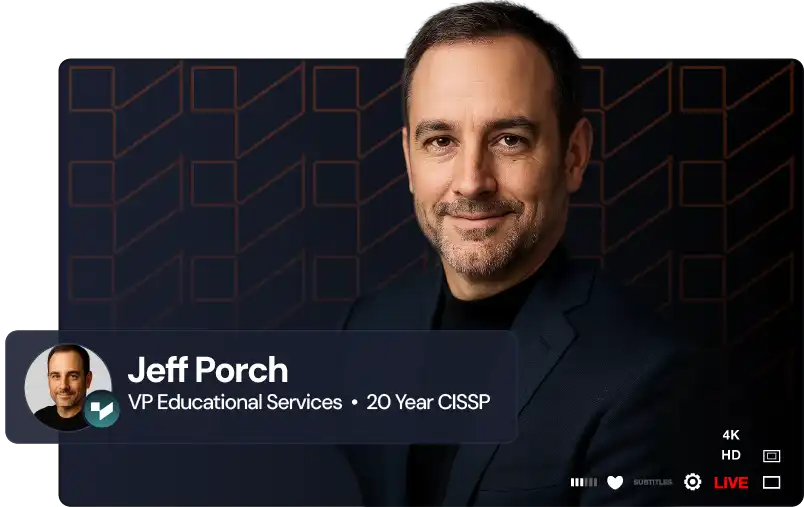
VP of Educational Services | Training Camp
Jeff Porch is the VP of Educational Services and Operations at Training Camp, where he leads the company's educational initiatives with a focus on accelerated learning and student success. Beyond overseeing curriculum development, Jeff serves as the lead course designer for Training Camp's CompTIA Security+ program, one of their most popular offerings. He is deeply involved in the instructional side of the business — developing certification courses, training instructors, and ensuring that complex IT concepts are delivered in ways that maximize retention and minimize time-to-certification.