



The CompTIA Security+ certification is more than just a credential. It’s a passport to the exciting world of cybersecurity, validating your knowledge and opening career opportunities in an changing digital field. Here are some of the keywords to know that are an important part of Security+:
CIA Triad
Protecting data’s confidentiality, integrity, and availability. The foundation of information security that ensures information remains private, accurate, and accessible.
A security model that trusts nothing by default. Every user, device, and application must continuously prove they’re legitimate before gaining access.
Encryption
The superhero of data protection. Transforms readable data into uncrackable code, keeping sensitive information safe from prying eyes.
Vulnerability
The weak spots in your digital armor. These are potential entry points for cybercriminals that need constant monitoring and fixing.
Threat Actor
The bad guys of cybersecurity. These are individuals or groups looking to exploit system weaknesses for various reasons – from financial gain to political agendas.
Risk Management
Your cybersecurity strategy playbook. It’s about identifying potential threats, analyzing their impact, and creating plans to minimize damage.
Network Segmentation
Imagine dividing your network into secure rooms. If one room gets compromised, the others remain protected, limiting potential breach damage.
Multi-Factor Authentication (MFA)
More than just a password. It’s like having multiple locks on your digital door – requiring different types of verification to gain access.
Patch Management
The ongoing process of updating software to fix security holes. Think of it as regularly maintaining your digital fortress to keep attackers out.
Social Engineering
The art of human hacking. Cybercriminals manipulate people into breaking security protocols, proving that the human is often the weakest link.
Your Cybersecurity Path Forward
Understanding these keywords is your first step into a fascinating world. Cybersecurity is more than technical knowledge, it’s about thinking like a defender, anticipating threats, and protecting digital ecosystems. Whether you’re preparing for the Security+ exam or simply want to understand the language of cybersecurity, these concepts are your foundation. Embrace them, understand them, and you’ll be well on your way to becoming a cybersecurity professional.
Frequently Asked Questions
What is the CIA triad in Security+?
The CIA triad stands for confidentiality, integrity, and availability. It is the foundation of information security and the first keyword most Security+ candidates learn. The idea is that data should stay private, stay accurate, and stay accessible to the people who are supposed to reach it.
What does zero trust mean?
Zero trust is a security model that trusts nothing by default. Every user, device, and application has to keep proving it is legitimate before it is granted access. It replaces the old assumption that anything already inside the network can be trusted, which is why it shows up on the Security+ exam.
What is the difference between a vulnerability and a threat actor?
A vulnerability is a weak spot in your systems, a potential entry point that needs constant monitoring and fixing. A threat actor is the person or group looking to exploit that weak spot, whether for financial gain or a political agenda. Security+ expects you to know both terms and how they relate.
Why does network segmentation matter?
Network segmentation divides a network into separate secure zones, like rooms in a building. If one zone is compromised, the others stay protected, which limits how much damage a breach can do. It is one of the core defensive concepts covered on the Security+ exam.
What is social engineering in cybersecurity?
Social engineering is human hacking. Instead of attacking technology, cybercriminals manipulate people into breaking security protocols, such as giving up credentials or bypassing a control. Security+ includes it because the human is often the weakest link, and defenses like multi-factor authentication and awareness are built around that fact.
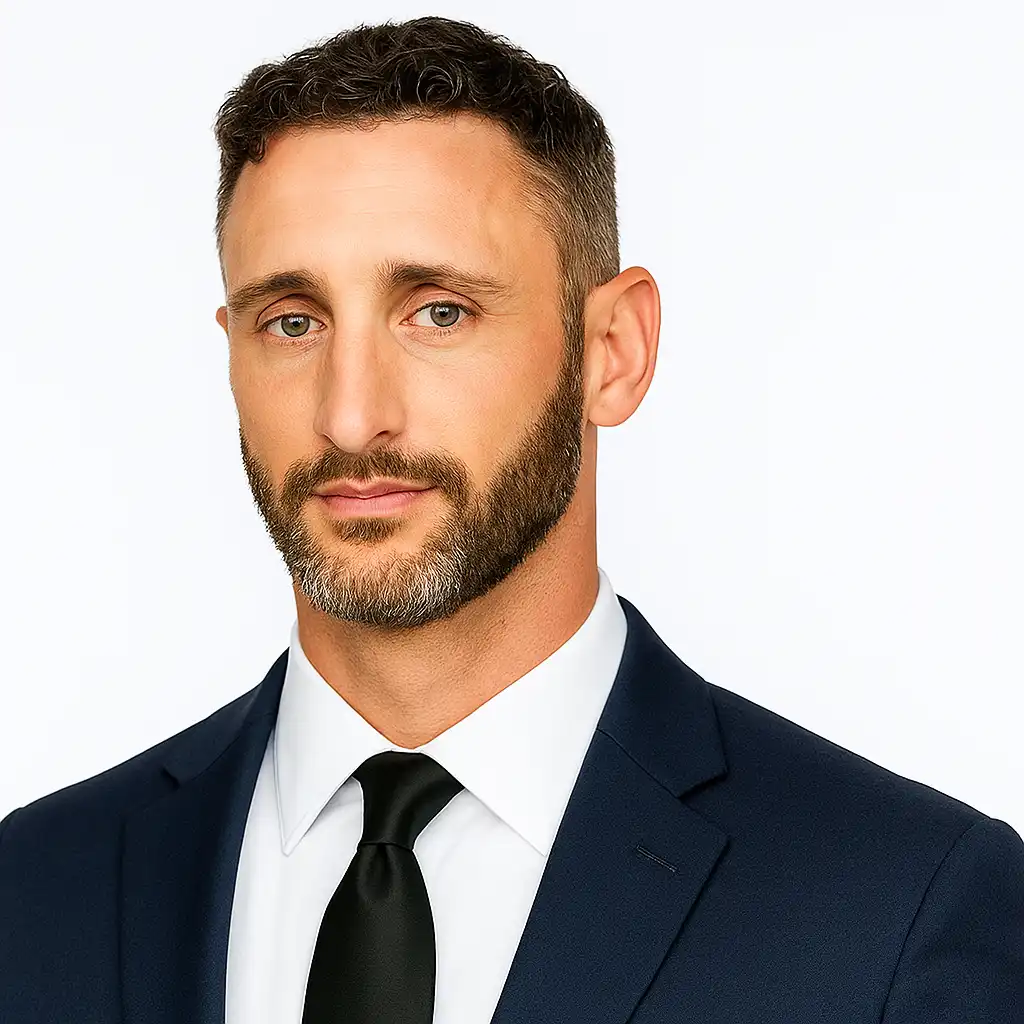
CEO | Training Camp
Christopher D. Porter is a dynamic marketing executive and visionary leader, celebrated as an early adopter of internet technologies for innovative lead generation strategies. Continuing his career as the CEO of one of the leading IT and Cybersecurity Certification Training companies, he has consistently harnessed digital innovation to drive business growth and market transformation.