


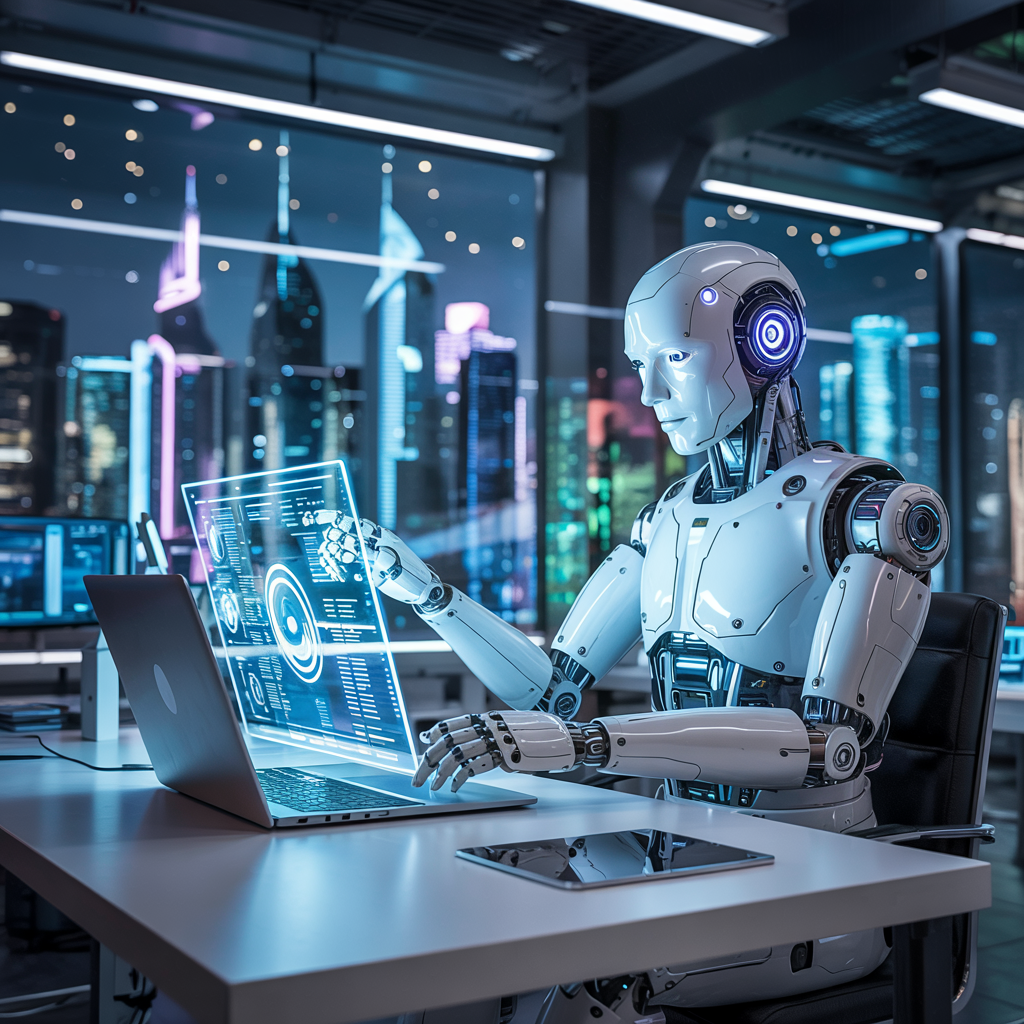
Will AI Replace Cybersecurity Jobs? What the Headlines Get Wrong
A Reddit post went viral a few months back. Someone claimed their 80 person cybersecurity team got replaced by AI after spending two years training the system. CrowdStrike announced layoffs. Headlines screamed about automation taking security jobs. I watched the anxiety ripple through my consulting clients across Europe, with people suddenly questioning whether their career investments made sense anymore.
Heres what the panic merchants arent telling you: 3.5 million cybersecurity positions remain unfilled globally. That number hasnt budged despite years of AI advancement. The shortage is actually getting worse, not better. So whats really happening? AI is changing security jobs, absolutely. But the story is far more nuanced than robots stealing careers. Having watched this unfold from the European perspective, where automation anxiety meets strict employment protections, Ive seen both the fear and the reality up close.
AI wont replace security professionals. But security professionals who understand AI will replace those who dont. The skill set is shifting, not disappearing.
What AI Actually Does Well in Security
Lets be honest about where AI genuinely excels. Processing massive datasets at speeds humans cant match. Identifying patterns across millions of log entries. Flagging anomalies in user behavior. Automating routine vulnerability scans. These tasks used to consume hours of analyst time, and AI handles them faster and more consistently.
Tools like CrowdStrike Charlotte AI and Microsoft Security Copilot already automate initial threat detection and alert triage. They can summarize incidents, suggest containment steps, and prioritize tickets based on severity. For a SOC drowning in alerts, this kind of assistance genuinely helps. Gartner predicts AI will automate 75 percent of security operations work by 2025.
But notice the framing. Automate operations work. Not replace security teams. AI handles the grunt work that burned people out anyway. Log correlation. Initial alert review. Pattern matching across endpoints. These are exactly the tasks that made junior analyst positions soul crushing.
What AI Cant Do (And Probably Wont Anytime Soon)
Context. AI struggles profoundly with context. A machine might flag unusual database access at 2 AM as suspicious. A human understands that the finance team is running month end close and Carol always works late on the 30th. That contextual judgment separates a useful alert from noise.
Strategic decision making remains firmly human territory. When executives ask whether to accept, mitigate, or transfer a particular risk, AI cant weigh the business implications. It doesnt understand company culture, regulatory relationships, or competitive dynamics. Risk appetite is a human decision informed by values and priorities that algorithms cant capture.
Ethical judgment matters more than ever. During incident response, you face decisions with legal, reputational, and human consequences. Do you notify regulators before fully understanding scope? How do you balance transparency with liability? When does an employee privacy concern override a security investigation? These arent technical problems. Theyre fundamentally human ones.
The Real Threat: AI Powered Attackers
While everyone worries about AI taking their jobs, the actual threat is AI amplifying attackers. Phishing campaigns generated by AI are dramatically more convincing. Voice cloning enables sophisticated impersonation. Automated reconnaissance tools map attack surfaces faster than defenders can patch them.
Anthropic recently disclosed that a Chinese state sponsored group used Claude to automate significant portions of an intrusion attempt. The AI performed reconnaissance, helped generate exploits, and prepared lateral movement. Researchers estimated 80 to 90 percent of the attack workflow was automated. This is happening now, not in some theoretical future.
This reality actually increases demand for skilled defenders who understand both traditional security and AI capabilities. Organizations need people who can think about AI enabled threats, detect AI generated attacks, and use AI tools defensively. The attack surface expanded. The need for expertise grew with it.
The Jobs That Are Actually Emerging
New hybrid roles are appearing that didnt exist three years ago. AI Security Specialist positions focus on securing machine learning systems and preventing prompt injection attacks. Security Data Scientists build custom detection models. SOAR Engineers design automated response workflows that blend AI decision making with human oversight.
ISACA recognized this shift by launching new certifications like AAISM for AI security management. The credential validates expertise in securing AI systems and using AI securely. Its existence proves that the industry sees a growing need, not a shrinking one.
According to LinkedIns 2025 Skills Report, AI literacy is the fastest rising skill globally. Cybersecurity job postings increasingly list AI competency as a requirement. Prompt engineering for security contexts is becoming specialized knowledge. The skill set evolved. It didnt disappear.
What You Should Actually Do About This
Learn to use AI tools. Seriously. Experiment with security focused AI assistants. Understand what they can and cant do. The professionals who thrive will be those who leverage AI to multiply their effectiveness, not those who ignore it hoping it goes away.
Develop skills AI cant replicate. Communication, leadership, strategic thinking, business acumen. These human capabilities become more valuable as routine tasks get automated. The security professional who can explain risk to a board will always have work. The one who only knows how to run scans might not.
Stay current with certifications that incorporate AI awareness. Traditional security credentials remain valuable, but combining them with AI knowledge creates a powerful profile. Understand both the technology being secured and the tools used to secure it.
Gartner predicts that by 2028, generative AI adoption will remove the need for specialized education from 50 percent of entry level cybersecurity positions. Thats a striking statistic. But read it carefully. It doesnt say those positions disappear. It says the barrier to entry changes. The profession becomes more accessible while the senior roles require deeper expertise.