Hello, you are using an old browser that's unsafe and no longer supported. Please consider updating your browser to a newer version, or downloading a modern browser.

Training Camp's 2-day Splunk boot camp covers search processing language (SPL), data visualization, dashboards, and alerting with a 96% success rate. For analysts and administrators managing Splunk deployments. Exam voucher included.

#1 IT Bootcamp Company Worldwide

Master Splunk Data Analytics

Get data into Splunk, search it with SPL, and turn it into dashboards, alerts, and reports. Two days of hands-on labs across security monitoring, troubleshooting, and BI.

Verified for 2026 SPLUNK Exam
Student
Student
Student
Join 250,000+ certified alumni.
CISSP Professional

Certified Instructors

Learn from the Best

Expert Designed

For Real-World Success

Stop Reading Logs

Start Asking Them Questions. Hands-On. Practitioner-Led.

Two hands-on days for professionals who need Splunk working, not explained.

Program Abstract

REF: SPLUNK 6
Curriculum aligned to the latest Exam Outline.
Format Live, Instructor-Led
Duration 2

Learning Splunk is Hard. We Make It Simple.

This two-day Splunk boot camp is built around continuous lab work covering data ingest, SPL search, dashboards, alerts, and reporting. Instructors walk you through real use cases, and nearly every section ends in an exercise you run yourself. The final lab has you stand up a full pipeline from an NGINX server into Splunk. You leave able to use Splunk for monitoring, investigation, and daily operational work.

Updated Splunk Training.

Generic Splunk material teaches the interface. Our courseware is built for this boot camp and updated as the platform changes, so the labs reflect how Splunk is actually deployed.

Hands-On Lab Environment

Spend less time in slides and more time configuring. Our lab-intensive approach lets you practice troubleshooting on live network scenarios.

Practical From Day One.

Built for people who want practical skills, not just theory, with live instruction, hands on labs, and clear guidance that helps you start using Splunk with confidence right away.

·
Training materials including official courseware and study guides
Practitioner Led
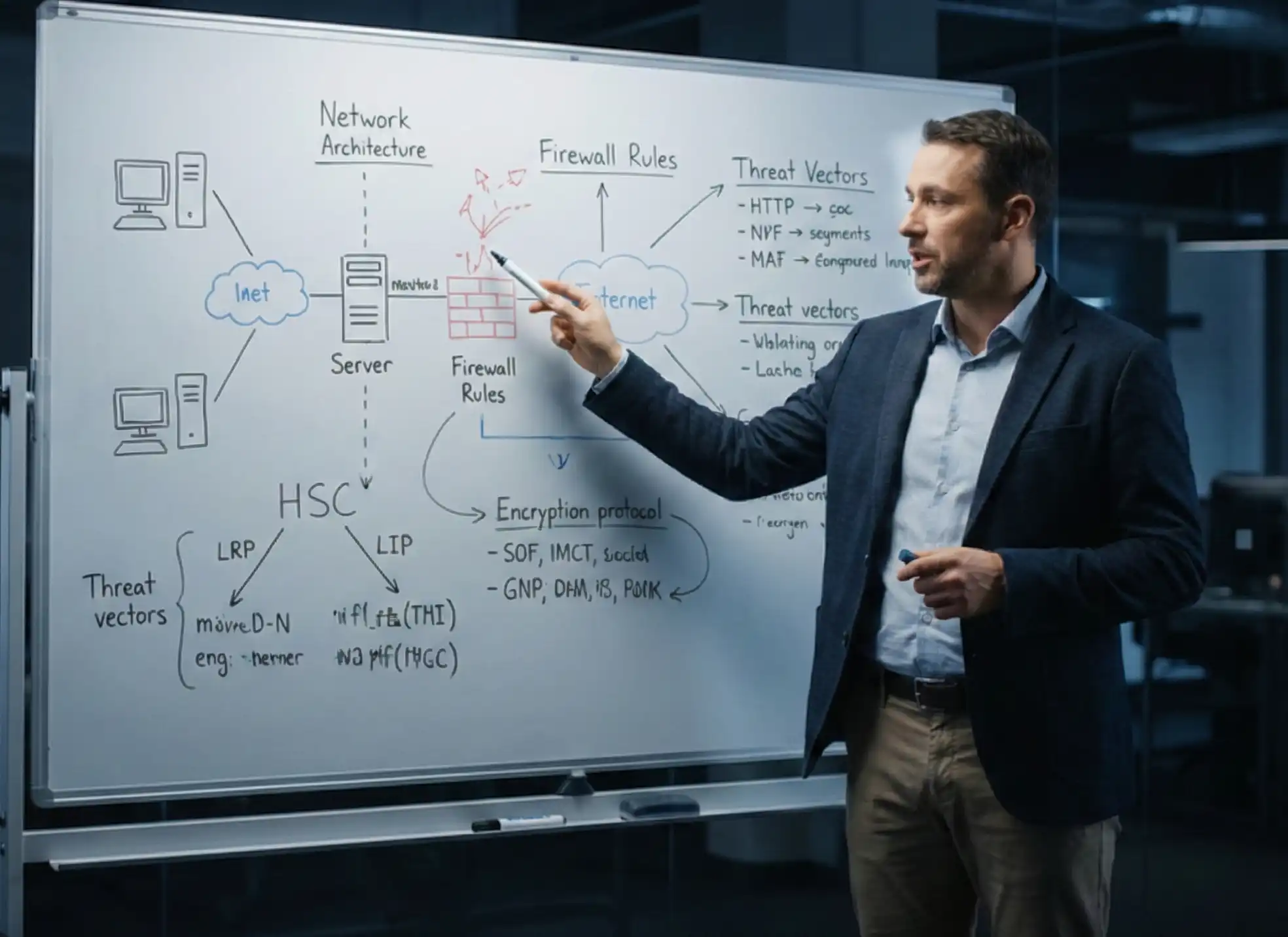
Instructors are working security professionals, not just trainers.

"I don't teach from a textbook. I teach what happens in the SOC when the alert fires."

Jeff Porch

VP Ed. Services • CISSP, CISM CISSP: Certified Information Systems Security Professional. CISM: Certified Information Security Manager.

Choose Your Delivery Mode.

Same Curriculum
In-person classroom training session
A

In-Person

Immersive classroom experience with direct instructor access and peer collaboration.

  • Face-to-face instruction
  • On-site exam option
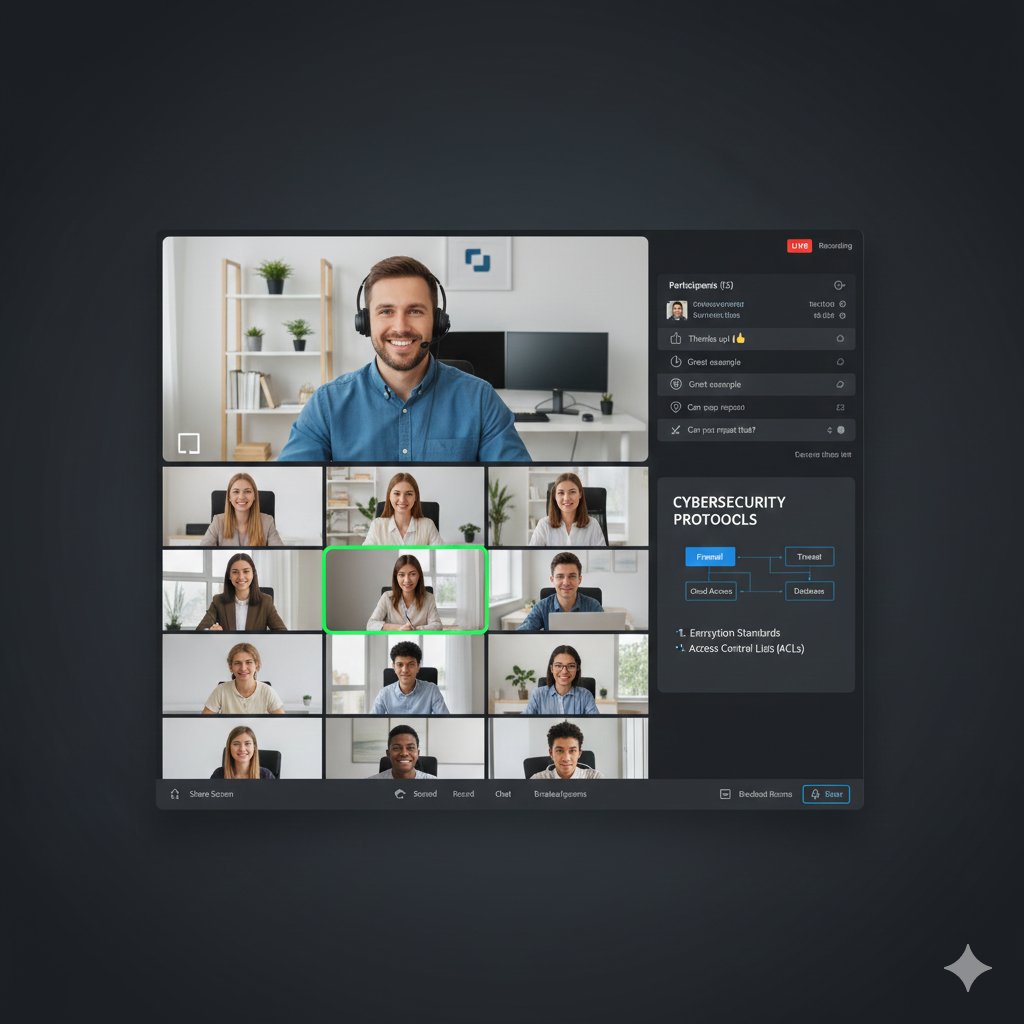
Student attending live online training
B

Live Online

Same instructors, same curriculum - learn from anywhere using our award-winning virtual learning platform.

  • Zero travel required
  • Interactive breakout rooms
COURSE STRUCTURE

Splunk Boot Camp
Syllabus

A structured path designed for working professionals.
Each day builds on the last—momentum is everything.

Request Info

MODULE_ID: PREP

WEIGHT: 20% QS: ~5
BEFORE CLASS
Critical Path

Before Class

Review basic Splunk terminology and interface
L.prep.1
Confirm lab environment access
L.prep.2
Access course materials
L.prep.3

MODULE_ID: CP-SPLUNK-01

WEIGHT: 20% QS: ~5
DAY ONE
Critical Path

Getting Data In and Searching It

What Splunk is and what it is actually used for
L.01.1
Authentication methods, access controls, and users
L.01.2
Products, licensing, and cost model
L.01.3
Indexes, indexers, search heads, and index clusters
L.01.4
The index pipeline, events, fields, and field extraction
L.01.5
Forwarders, metrics, and removing data
L.01.6
Lab: create your first index and upload data manually
L.01.7
Lab: field extraction and sending data with a forwarder
L.01.8
Components of a Splunk deployment
L.01.9
Common deployment scenarios
L.01.10
Search Processing Language, operators, and the search pipeline
L.01.11
Subsearches, drilldowns, and lookups
L.01.12
Optimizing slow searches
L.01.13
Lab: progressive SPL search exercises
L.01.14
Lab: working with lookups
L.01.15

MODULE_ID: CP-SPLUNK-02

WEIGHT: 40% QS: ~6
DAY TWO
Critical Path

Dashboards, Alerts, and the Full Build

Building dashboards in Splunk
L.02.1
Visualization types and choosing the right one
L.02.2
Searches as reports, input forms, and drilldowns
L.02.3
Creating, scheduling, and routing alert notifications
L.02.4
Lab: build a dashboard with input forms and drilldown
L.02.5
Lab: create and schedule alerts
L.02.6
Creating and scheduling reports
L.02.7
Lab: build a scheduled report
L.02.8
Capstone: install and configure NGINX, connect the Splunk forwarder, collect logs, and build searches, visualizations, and dashboards across the full pipeline
L.02.9

MODULE_ID: CP-SPLUNK-03

WEIGHT: 40% QS: ~6
AFTER CLASS
Critical Path

After Class

Instructor access after class
L.03.1
Course materials and full lab guide
L.03.2
Applying the capstone pattern to your own log sources
L.03.3
COURSE PROGRESS Day 0 of 3
FREQUENTLY ASKED QUESTIONS

Splunk
Boot Camp FAQ

Real questions from real professionals who passed.
Here's how we answer them.

No. Splunk Boot Camp is a two-day hands-on training course with no exam and no certification attached. You earn 16 PDUs and leave with working skills rather than a credential.

Two days, 14 hours of live instruction, delivered online or in person.

Some, yes. This is a deeper dive rather than a first look at the tool. You should arrive with basic familiarity with the Splunk interface and terminology.

Basic comfort helps. Lab exercises run in a Linux environment by default, and a Windows environment can be provided on request.

Search Processing Language is how you query data in Splunk. It is the difference between having your logs in one place and being able to ask them useful questions. Three separate lab blocks cover SPL operators, the search pipeline, subsearches, lookups, drilldowns, and search optimization.

Indexes, indexers, search heads, index clusters, the index pipeline, events, fields and field extraction, forwarders, metrics, and removing data. You create an index, upload data manually, run the field extractor, and send data through a forwarder in labs.

Yes. Day two covers dashboard creation, visualization types, searches as reports, input forms, and drilldowns, then moves to creating, scheduling, and routing alerts. Each of those has a lab.

You install and configure an NGINX server, connect the Splunk forwarder to collect its logs, then build searches, visualizations, and dashboards on top of that data. It assembles everything from both days into one working pipeline.

No. Developers, QA and release engineers, DevOps practitioners, DBAs and data engineers, security managers and administrators, and business intelligence analysts all work in Splunk. The course is built for that mix.

Yes, though it is a platform course rather than a security course. You learn the ingest, search, dashboard, and alerting mechanics that security monitoring runs on, which transfer directly to SIEM work.

Yes, 16 PDUs toward PMI credential maintenance.

Yes. Private group and on-site delivery are available, with pricing that improves at volume. Contact us for a group quote.

Course materials and the full lab guide for reference, plus instructor access after the class ends. The capstone pipeline you build is a pattern you can reuse on your own log sources.

Get the Free
CP-SPLUNK Exam Guide

  • Expert strategies to spot trick questions
  • Question patterns examiners actually use
  • Proven pacing + pressure management tactics
Articles and Certification Resources

Splunk Study Tools
& Resources

Expert insights to guide your certification journey.
Real strategies from professionals who passed.

Student Success Stories

What Our Students Say

Join thousands of certified professionals who trained with Training Camp

I love the Training Camp format which handles all of the logistics of the training and allowing the student to focus on the course material and certification tes...

LF
Lon*** Fle**** N**C

The intent of the training was to help us pass the exam, and make us familiar with the material and types of questions. The instructor did a good job of getting ...

J
JA N**throp Grumman

I left the class with a new-found confidence.

MN
Mar* N B**z Allen Hamilton

I believe self-study would have been much much harder to comprehend the information and pass the test on a first try. My colleagues who self-studied flunked the ...

Continue Your Journey

CP-SPLUNK Related Courses

Advance your career with these recommended certifications

Featured on